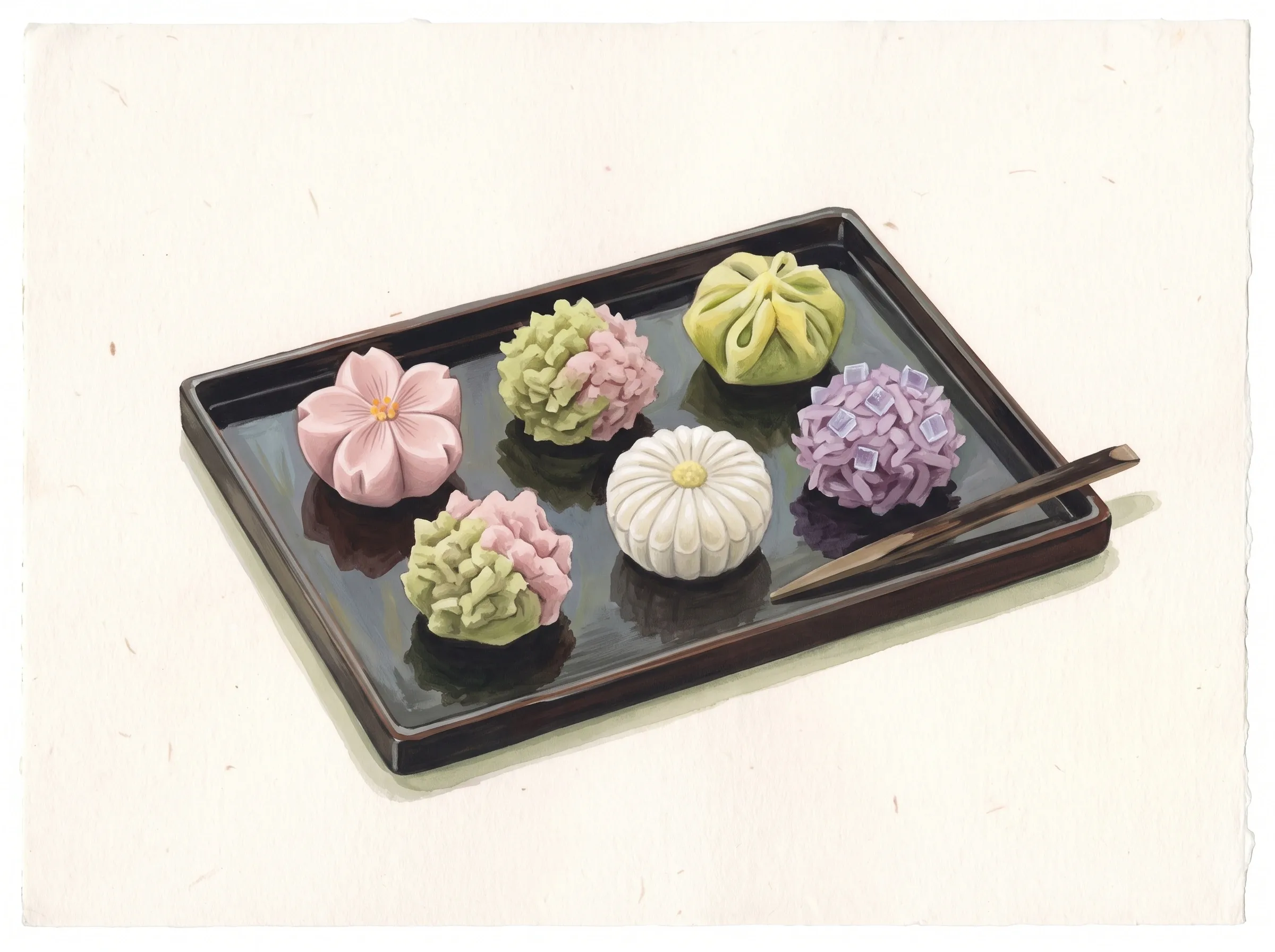
Wagashi Kotoba-cho — a little book of wagashi words
Wagashi Glossary
The more you know, the better wagashi tastes.
How is nerikiri different from konashi? What is a kamei? The world of wagashi, traditional Japanese sweets, is full of words you may have heard but never quite understood. Kyoto Wagashi ISSHO, a wagashi-making class in Kyoto, explains 20 words we actually use in our classes, each with an illustration.
生地・素材
Doughs & Ingredients
-
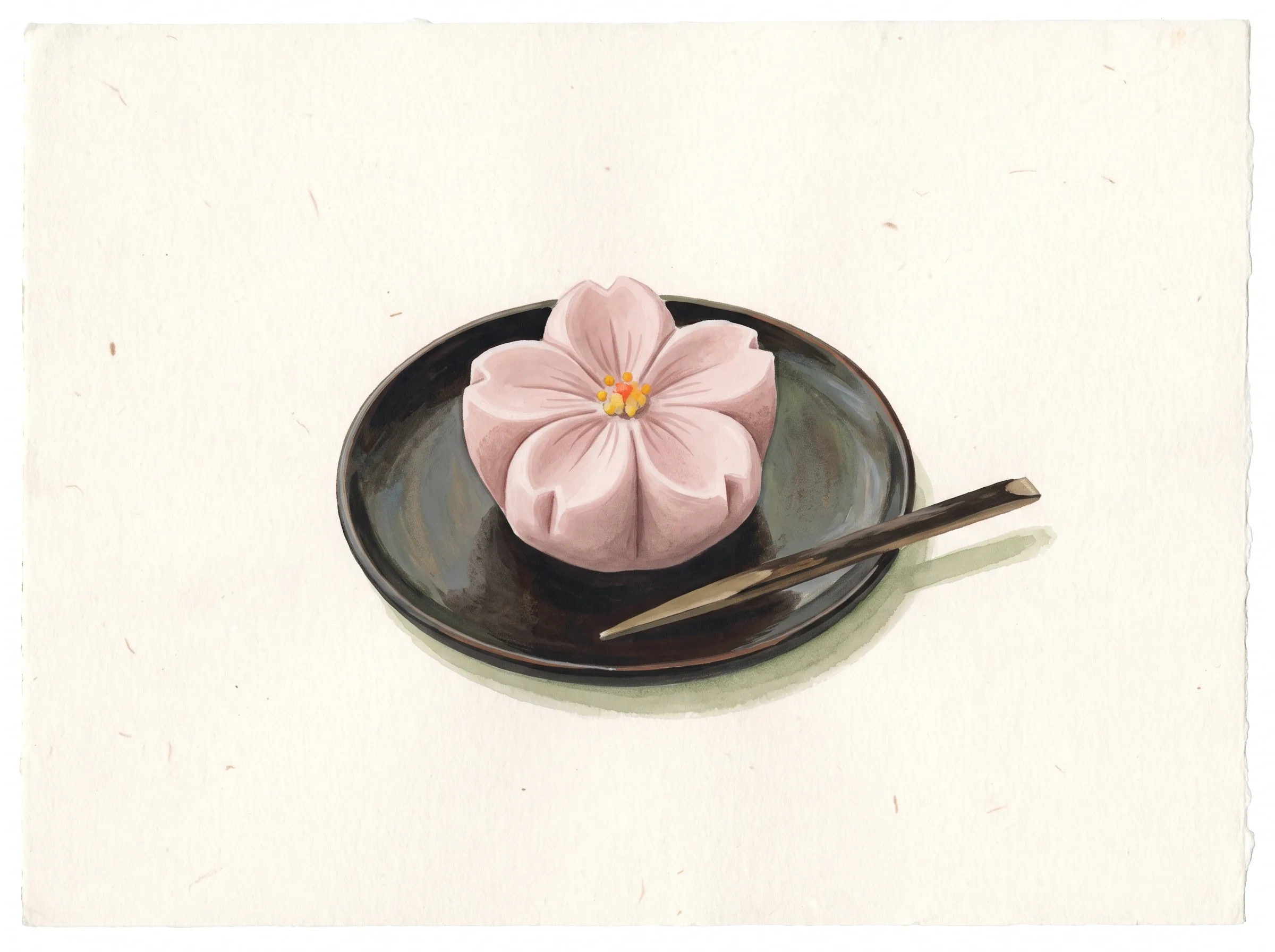
練り切り・ねりきり
Nerikiri
A dough of white bean paste kneaded with a binder — the signature dough of jo-namagashi.
-
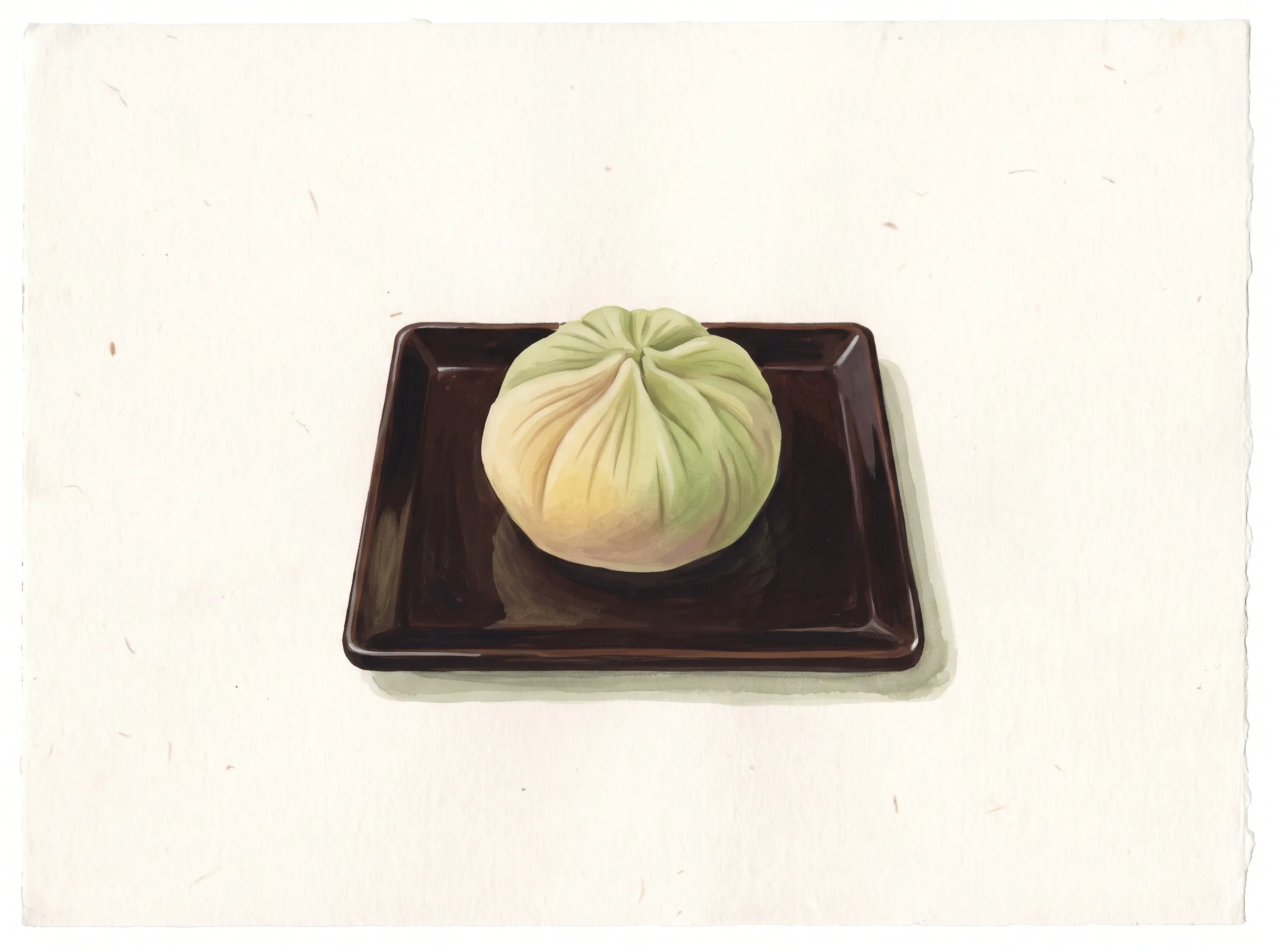
こなし
Konashi
Kyoto's dough for jo-namagashi, made by steaming white bean paste with flour and kneading it thoroughly.
-
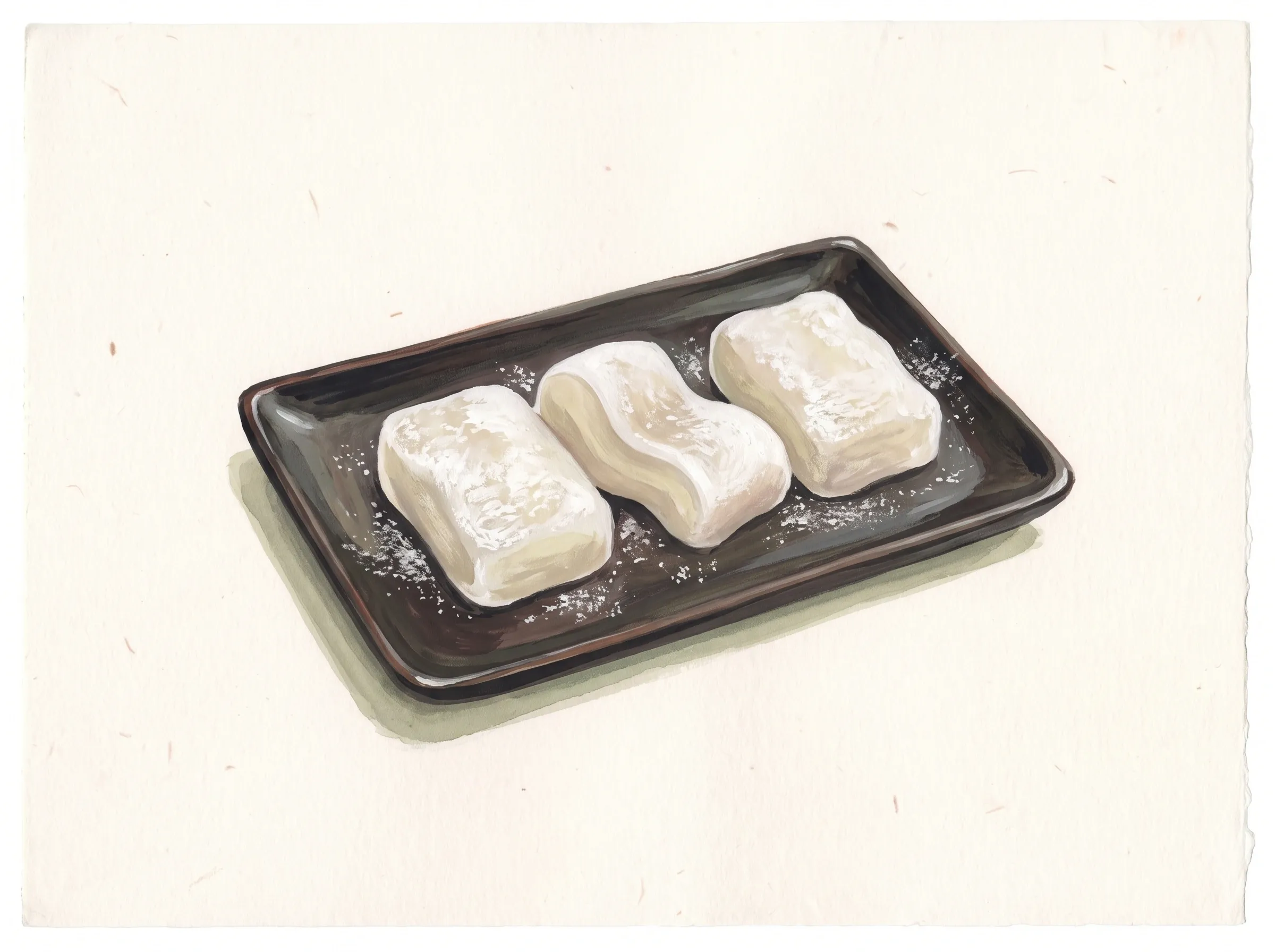
求肥・ぎゅうひ
Gyuhi
A dough of glutinous rice flour kneaded with sugar, which stays soft even as time passes.
-
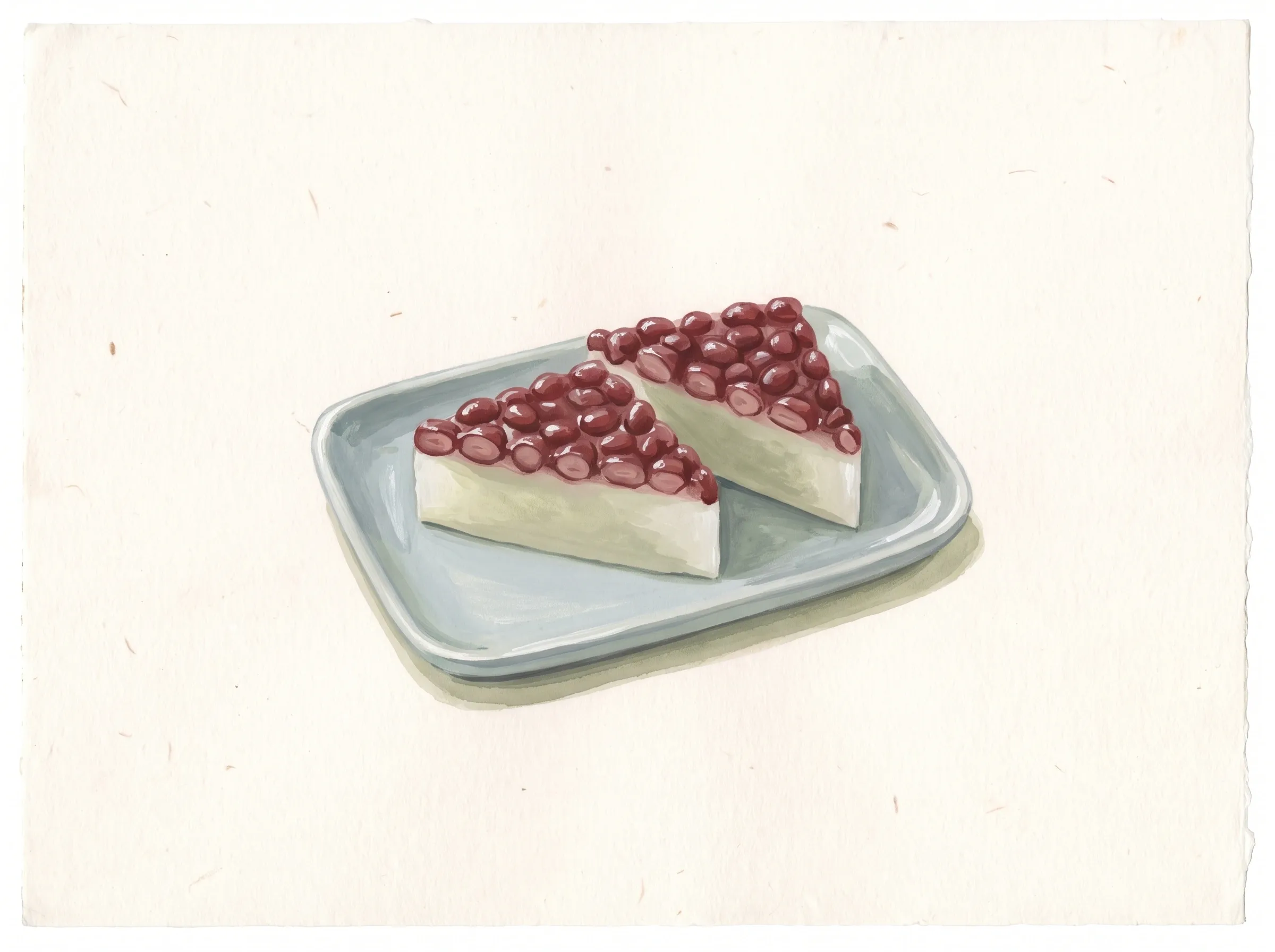
外郎・ういろう
Uiro
A soft, chewy dough made by steaming rice flour mixed with sugar.
-
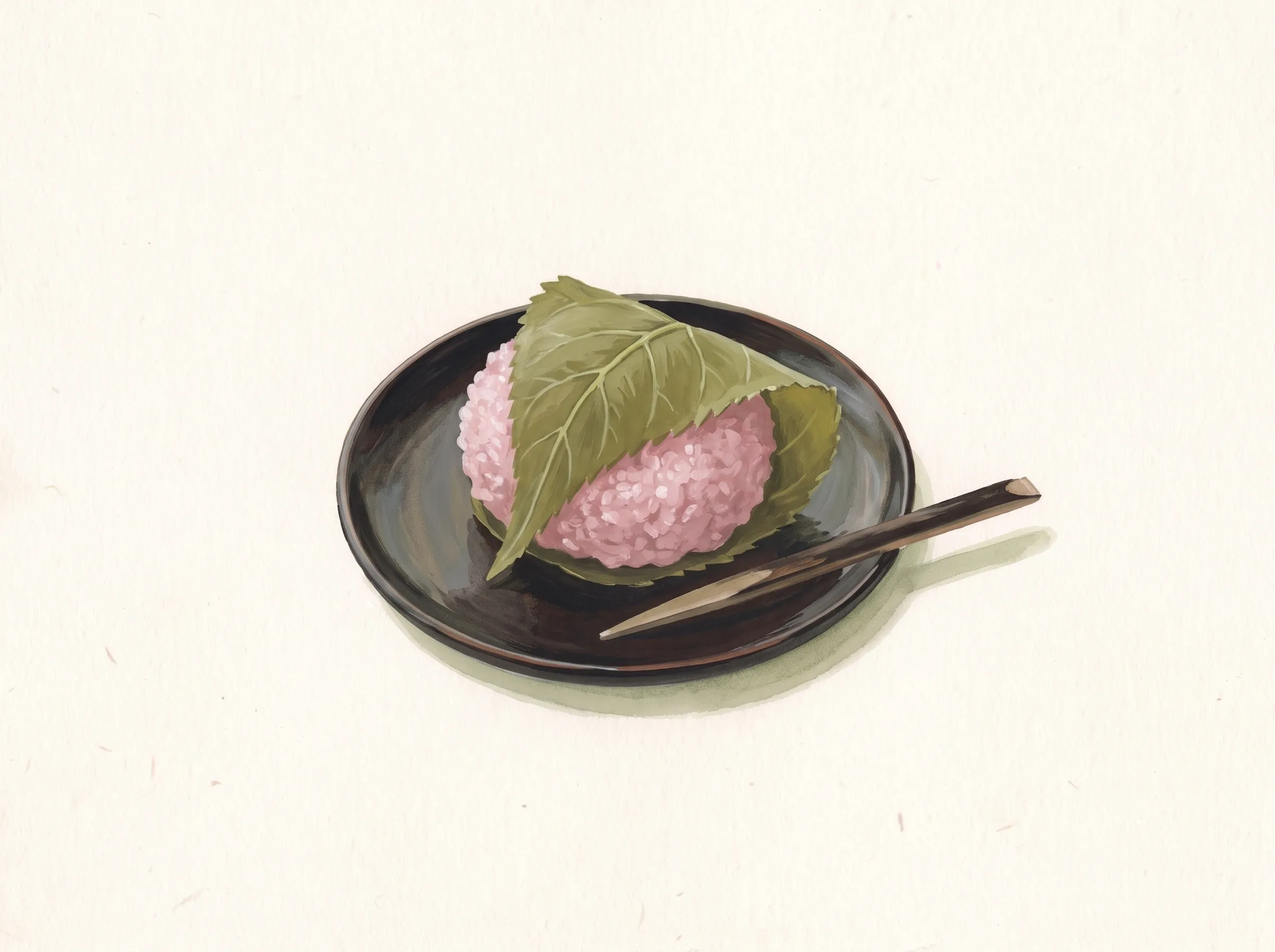
道明寺・どうみょうじ
Domyoji
Domyoji flour: steamed glutinous rice, dried and coarsely crushed — the secret behind the grainy texture of Kansai-style sakura-mochi.
-
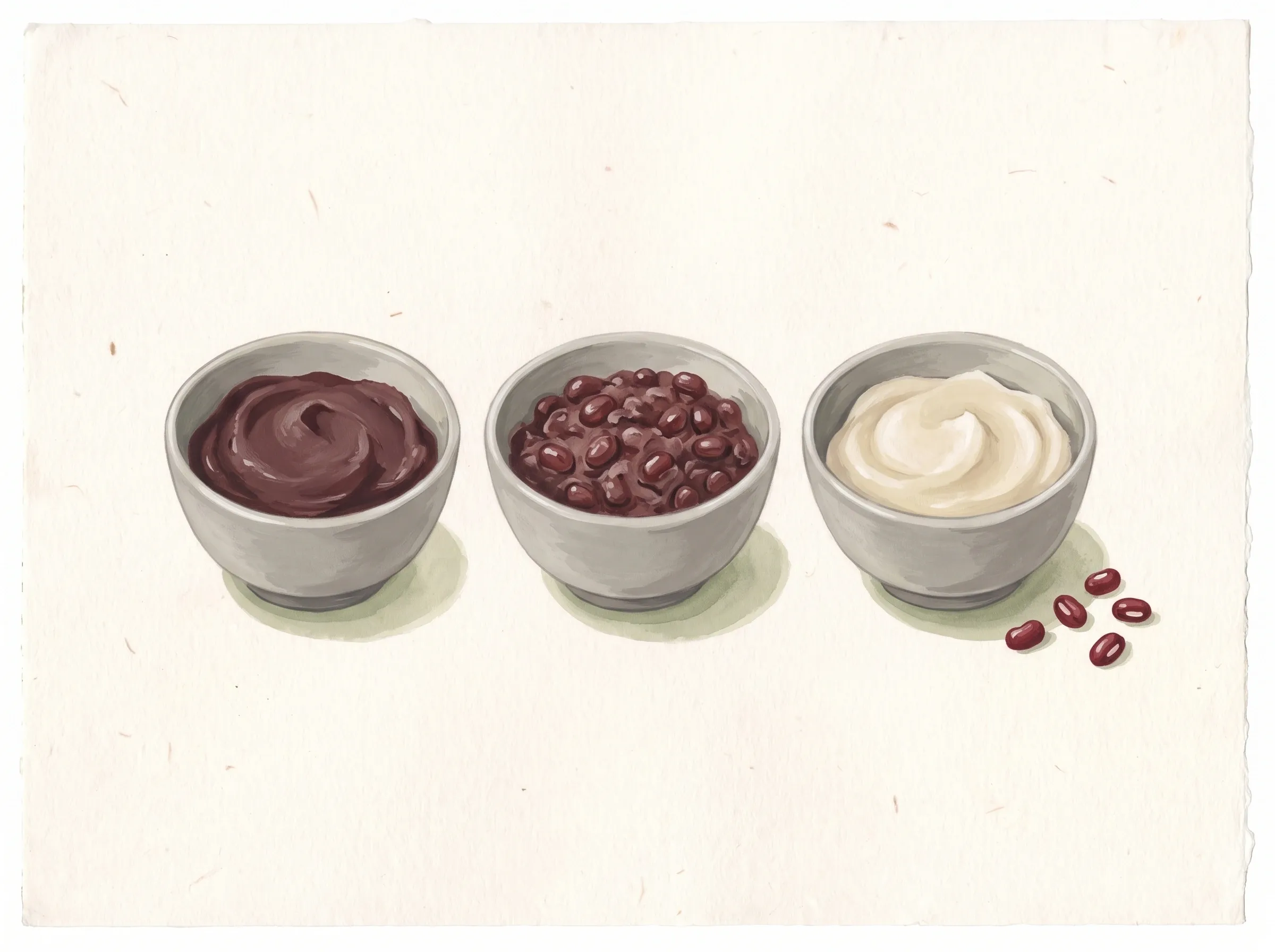
餡・あん
An sweet bean paste
Beans simmered and kneaded with sugar — the heart of the flavor of wagashi.
-
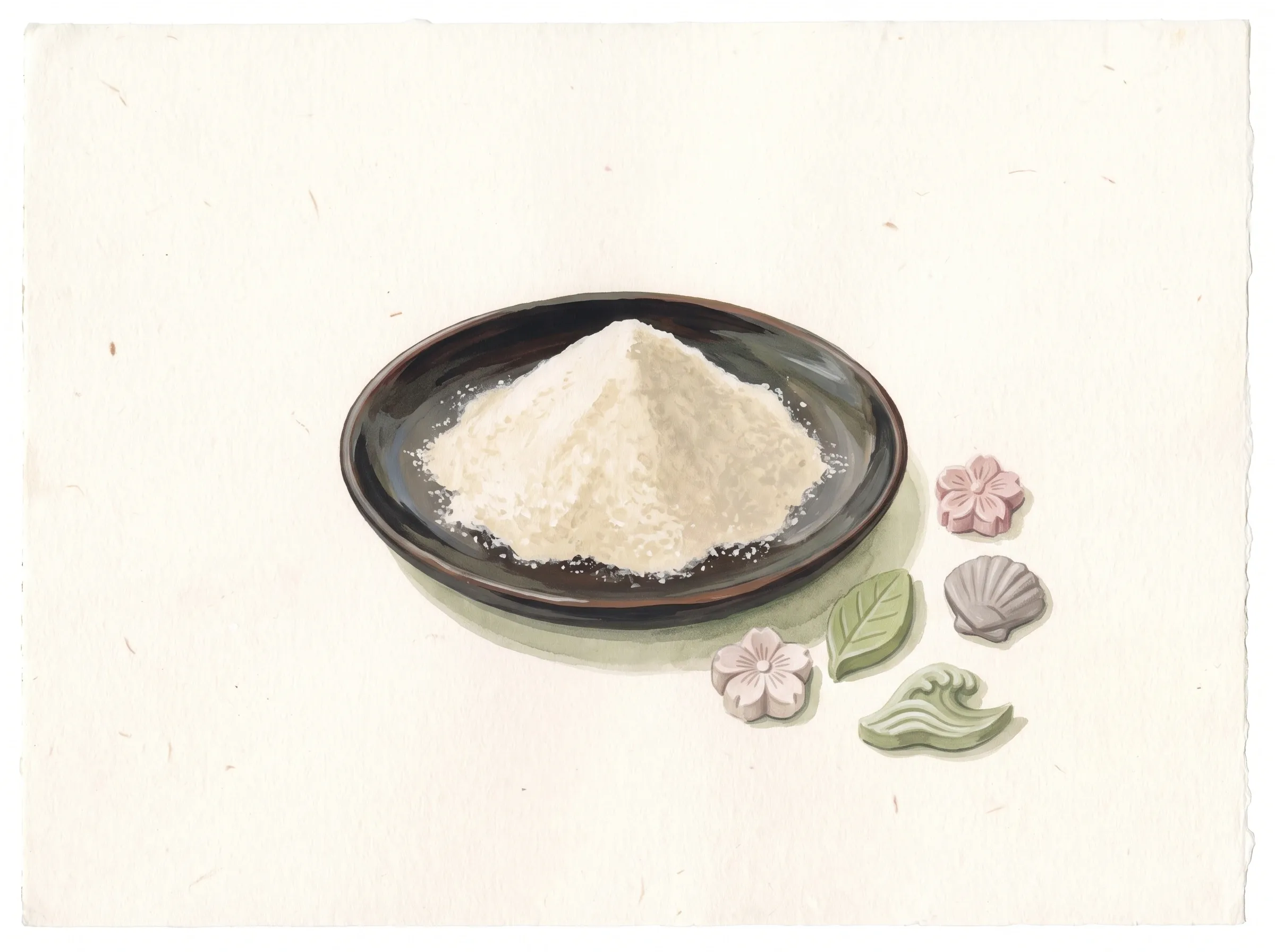
和三盆・わさんぼん
Wasanbon
A fine sugar that melts on the tongue, made by traditional methods in Tokushima and Kagawa.
-
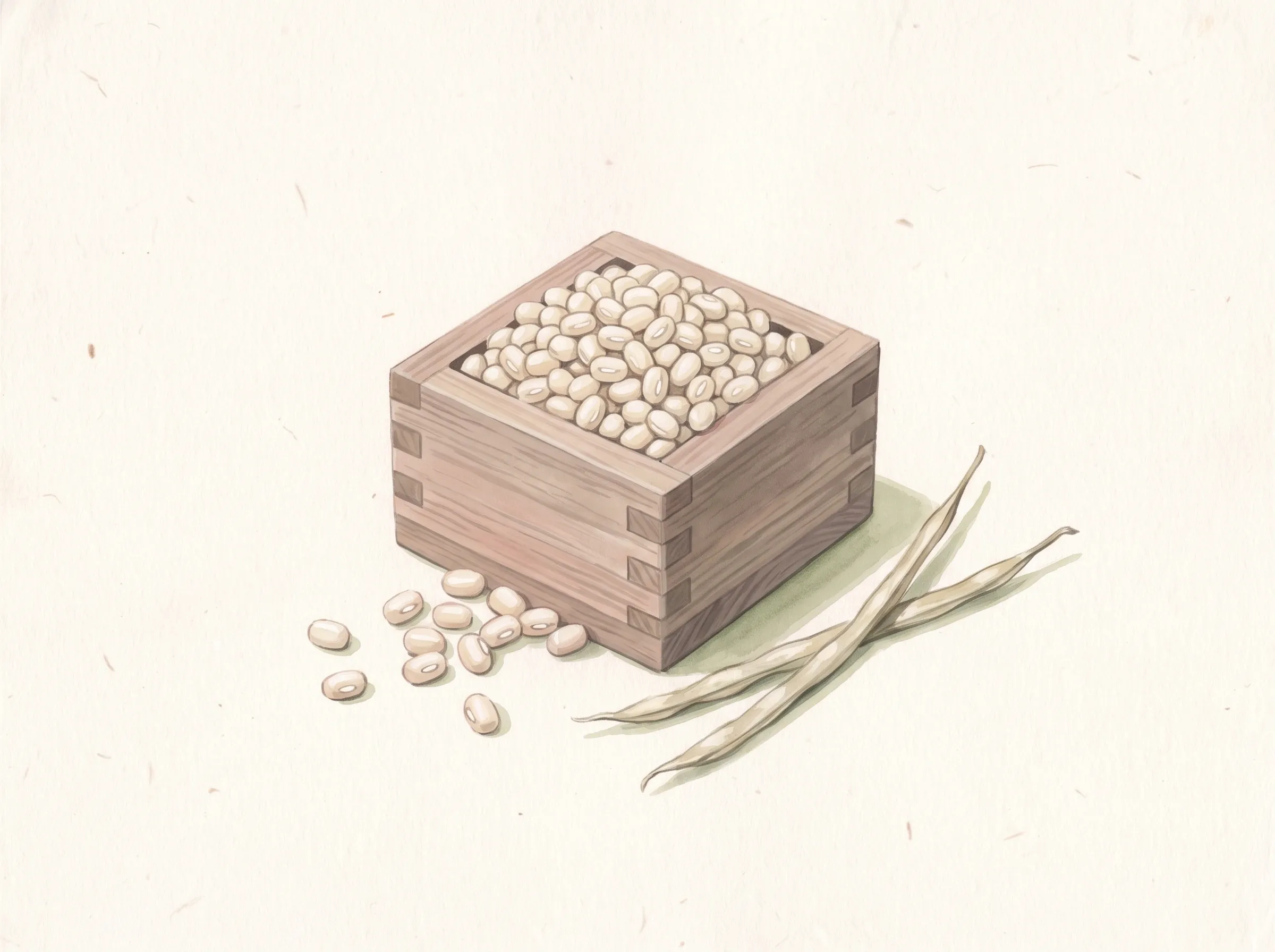
白小豆・しろあずき
Shiro-azuki white adzuki beans
A rare white adzuki bean, the ingredient of the finest white bean paste.
菓子の種類
Kinds of Wagashi
-
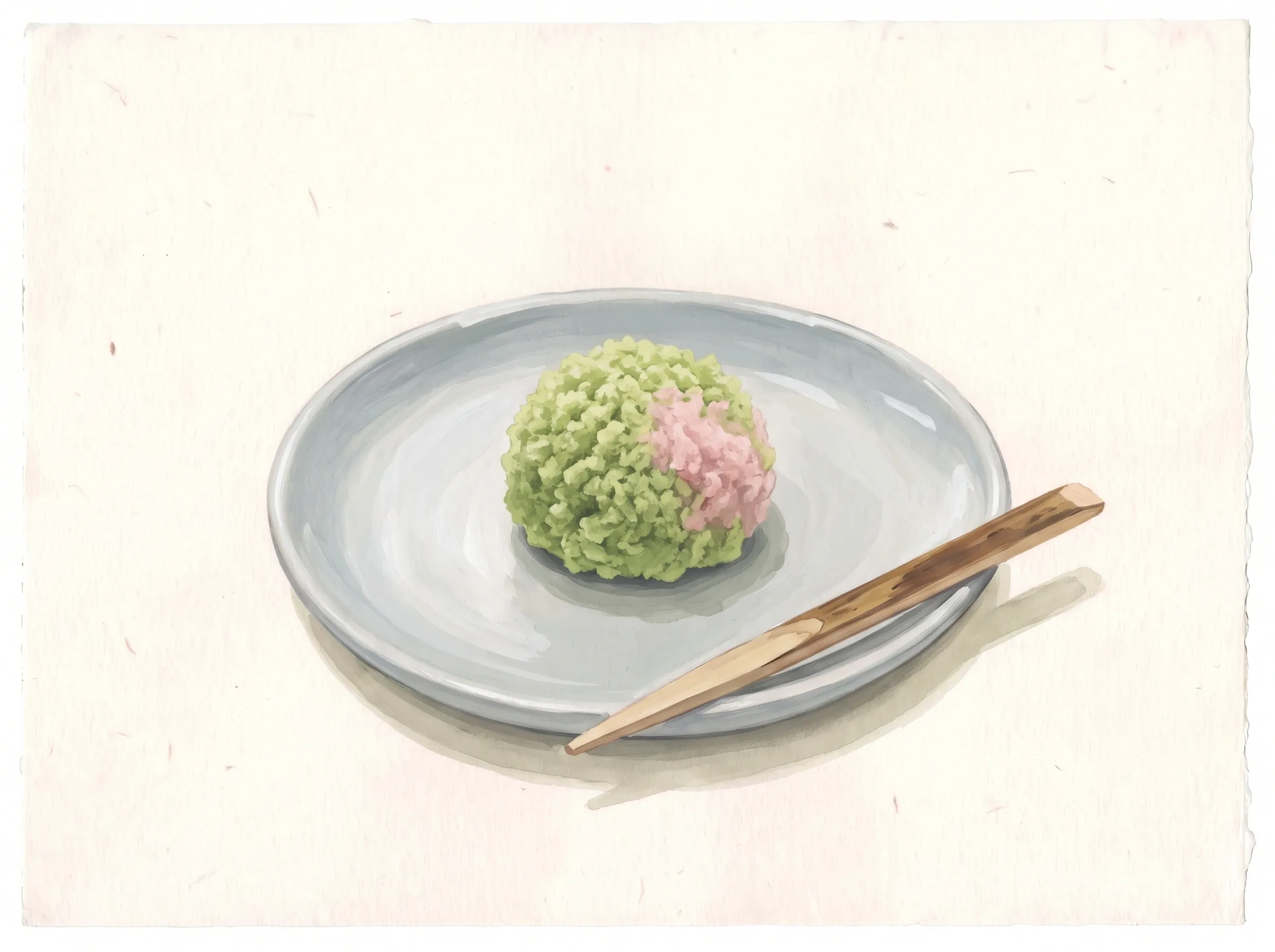
きんとん
Kinton
A jo-namagashi made by planting fine strands of bean paste around a ball of bean paste.
-
上生菓子・じょうなまがし
Jo-namagashi
Fine fresh sweets that capture the sights of the season — the star of the tea gathering.
-
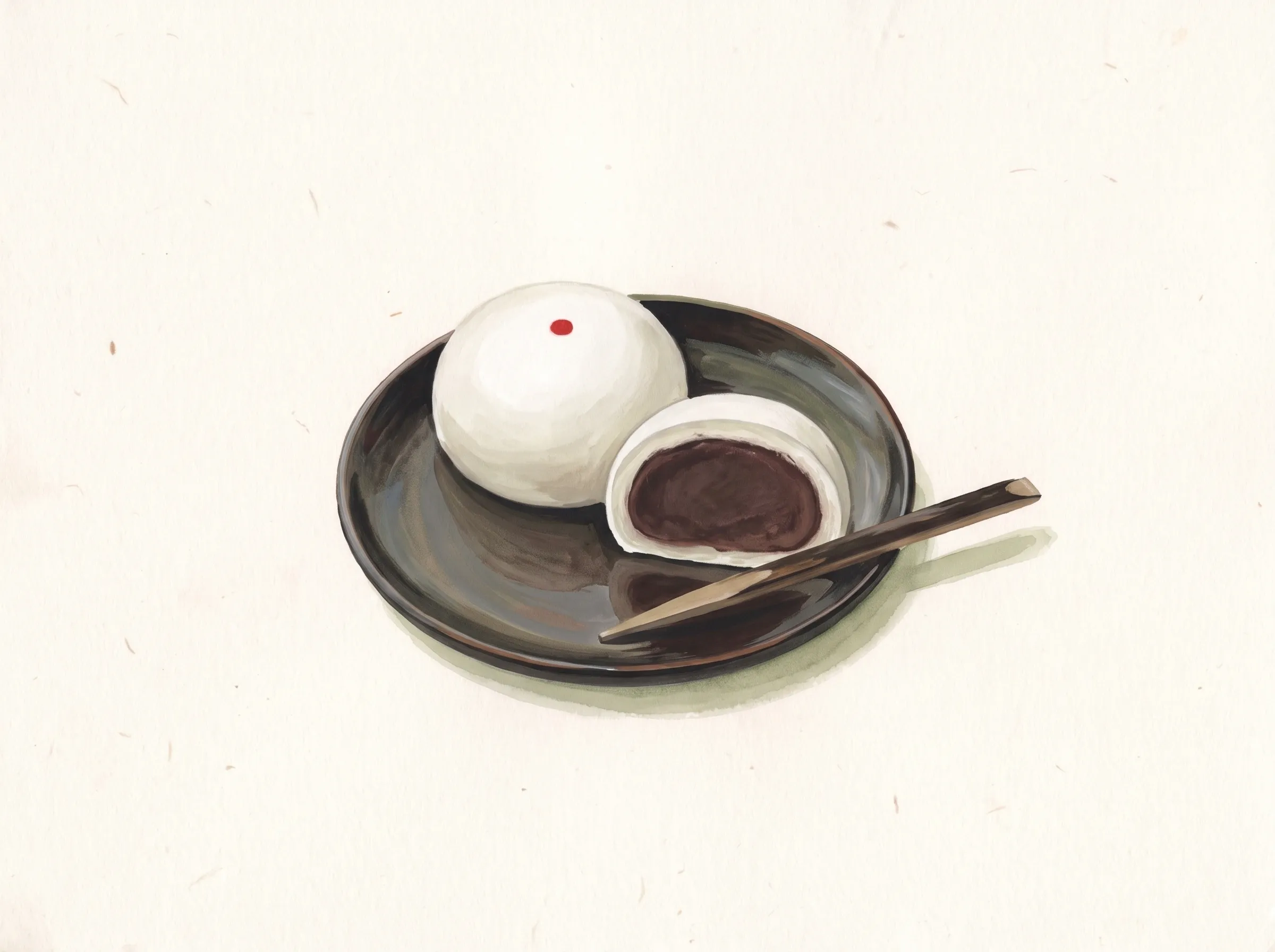
薯蕷饅頭・じょうよまんじゅう
Joyo manju
A pure white steamed bun, raised to softness by the power of grated yam.
-
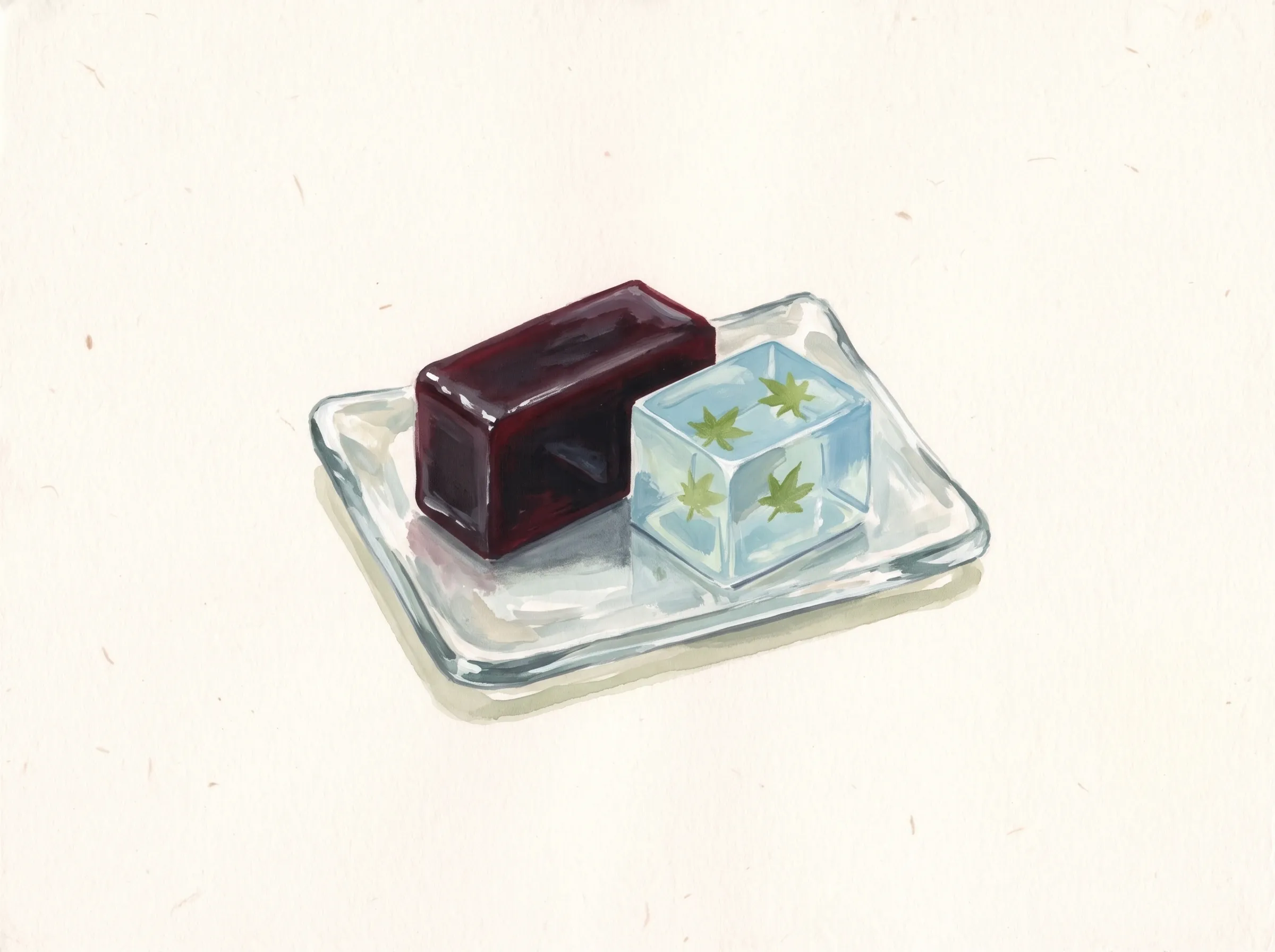
羊羹・錦玉羹・ようかん・きんぎょくかん
Yokan & Kingyokukan
A family of sweets set with agar: set bean paste and it is yokan; finish it clear and it is kingyokukan.
-
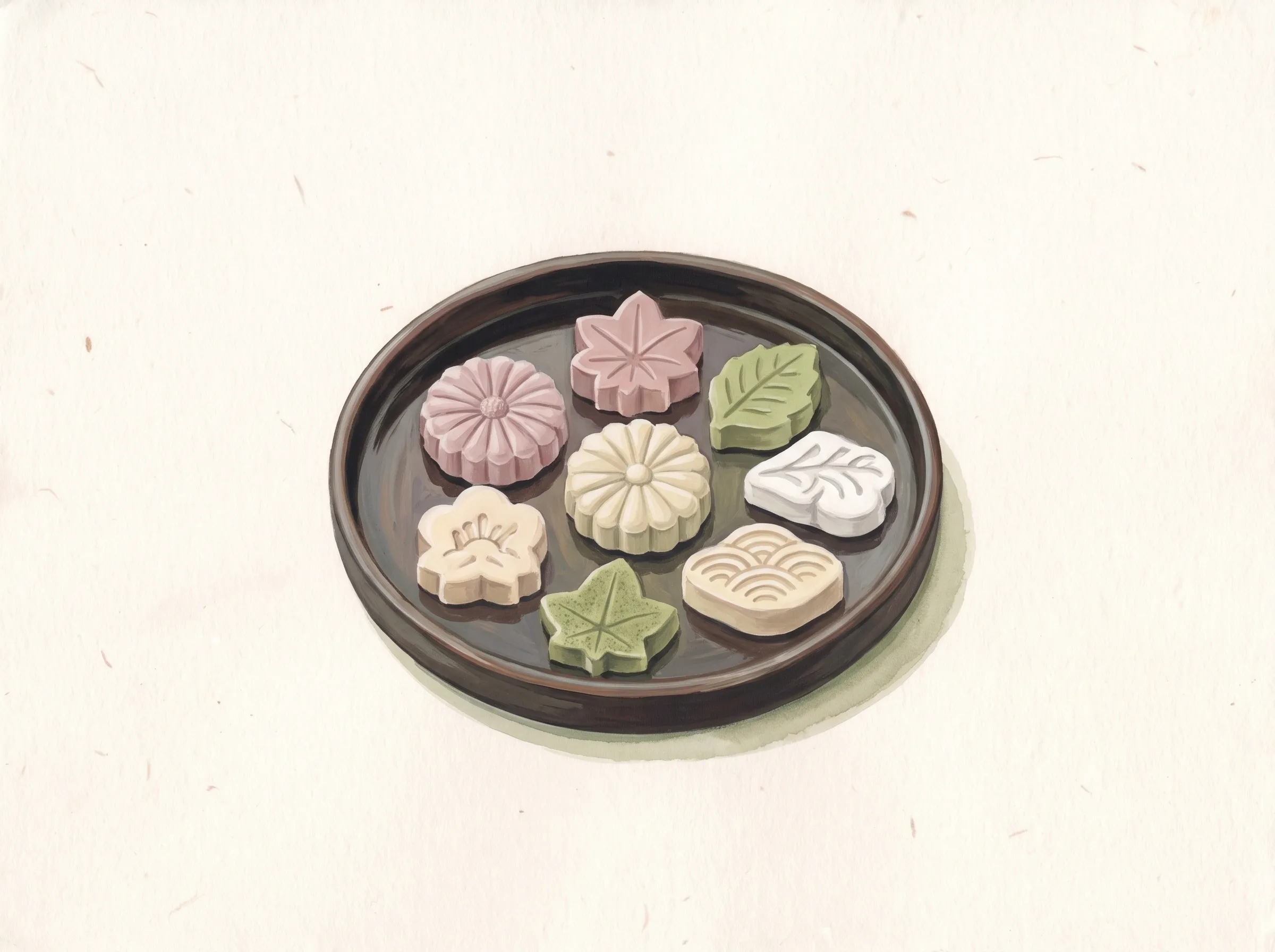
落雁・らくがん
Rakugan
The classic higashi (dry sweet): grain flour and sugar pressed firm in a wooden mold.
-
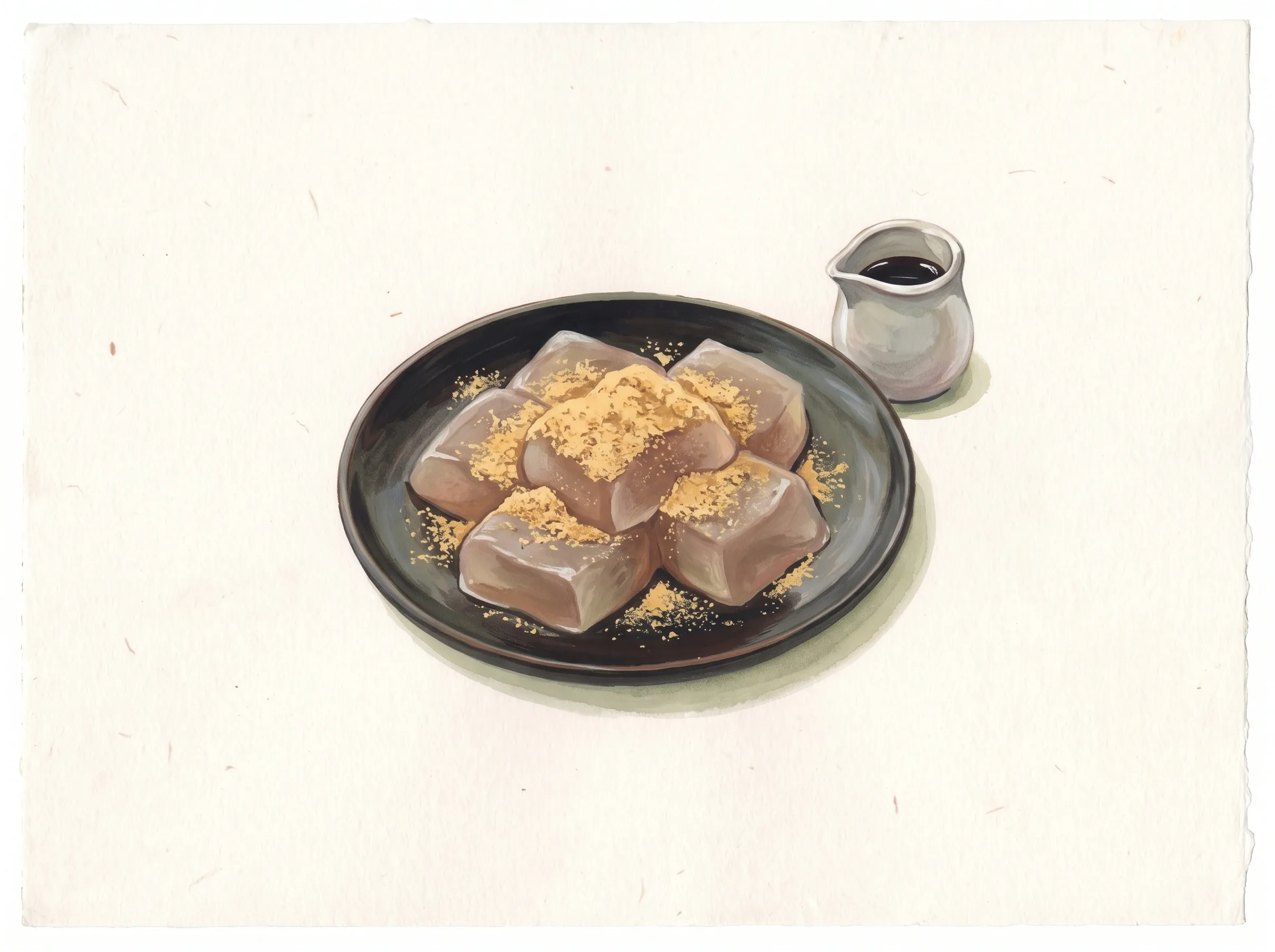
わらび餅・わらびもち
Warabimochi
A soft, jiggly sweet made by kneading bracken starch.
-
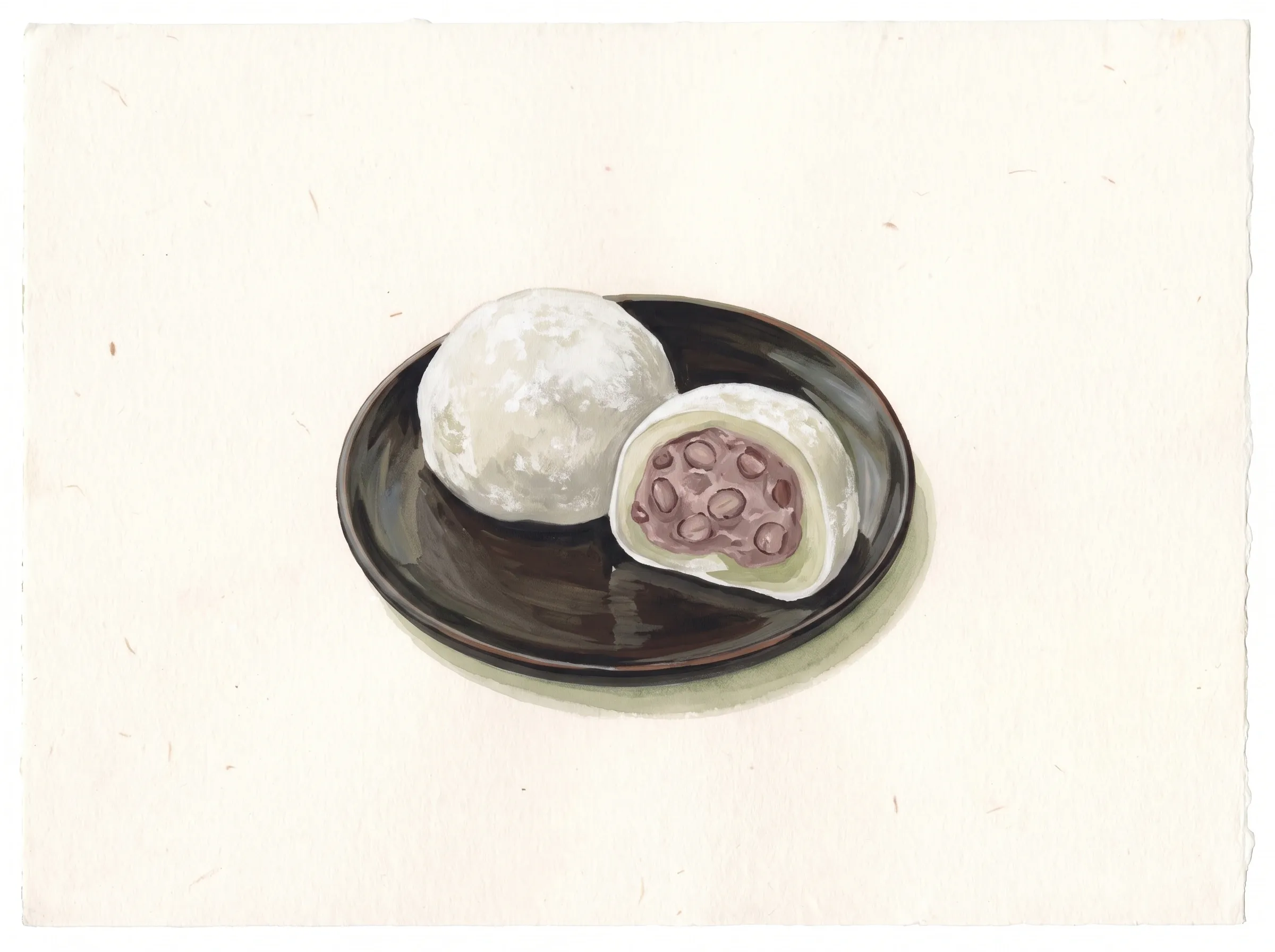
大福・だいふく
Daifuku
Bean paste wrapped in soft mochi — the most familiar wagashi of all.
茶席・ことば・道具
Tea, Words & Tools
-
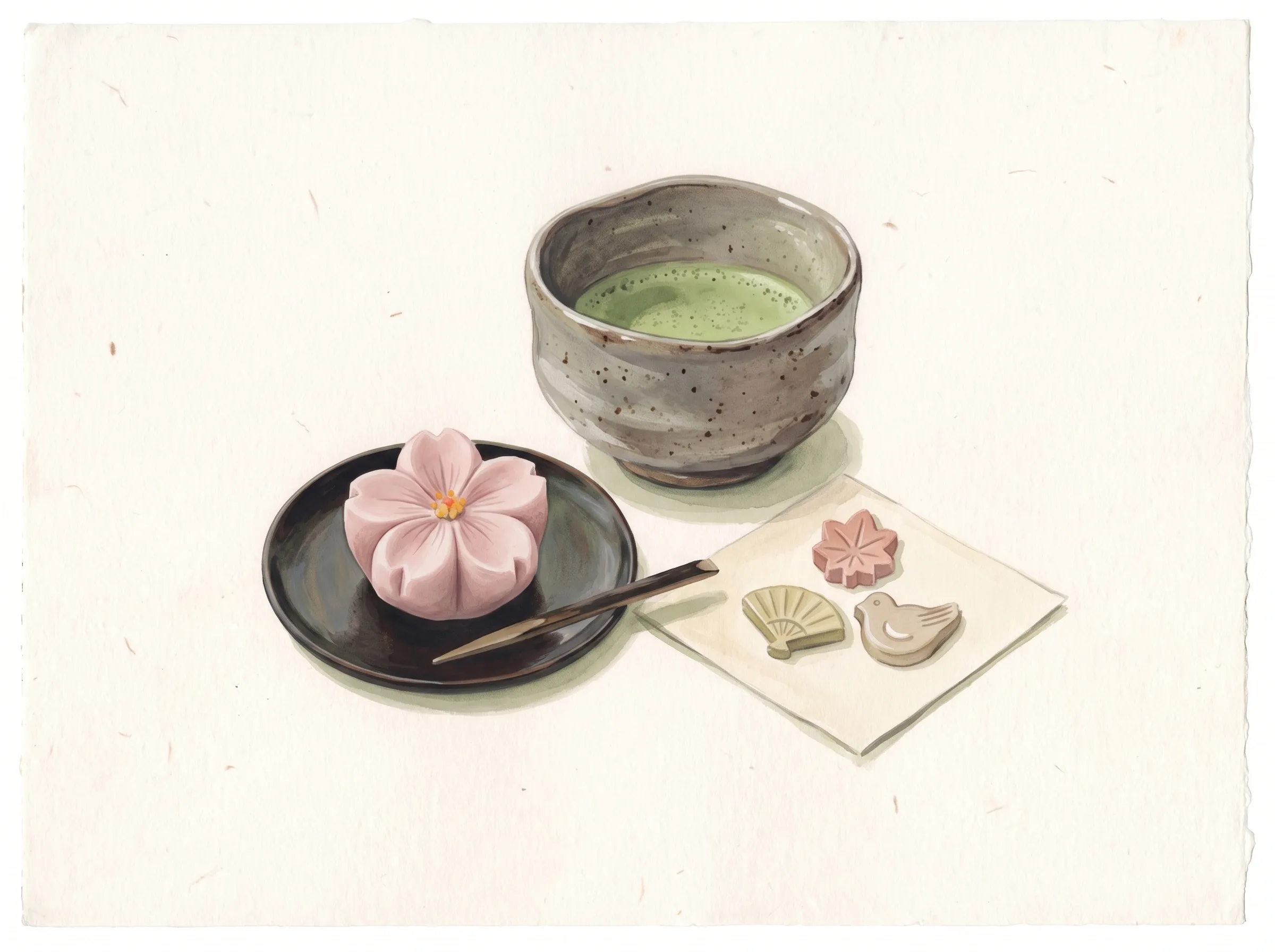
主菓子と干菓子・おもがしとひがし
Omogashi & Higashi
At a tea gathering: omogashi for thick tea, higashi for thin tea.
-
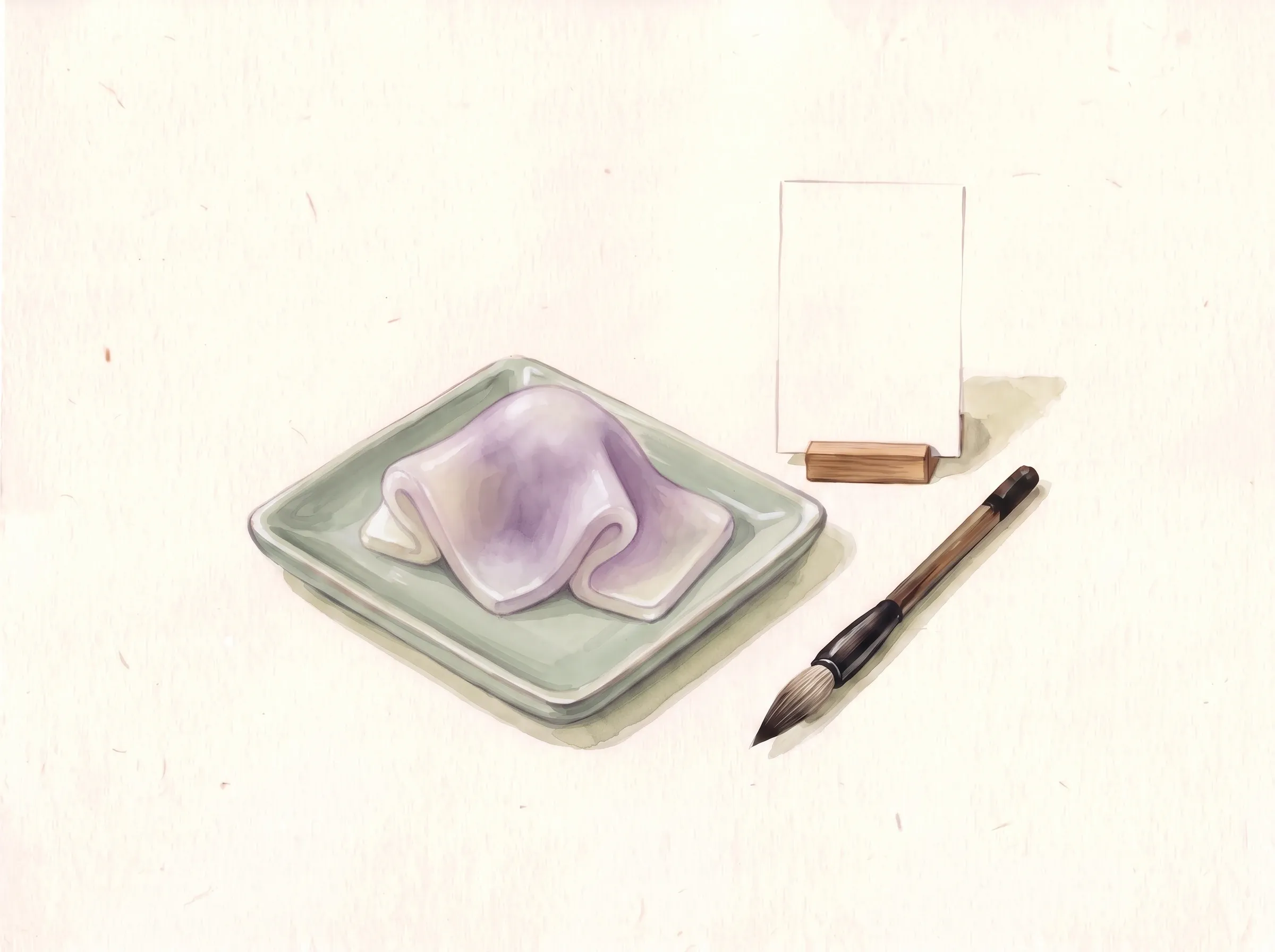
菓銘・かめい
Kamei poetic names of wagashi
The name given to a wagashi. A single name turns a sweet into a landscape.
-
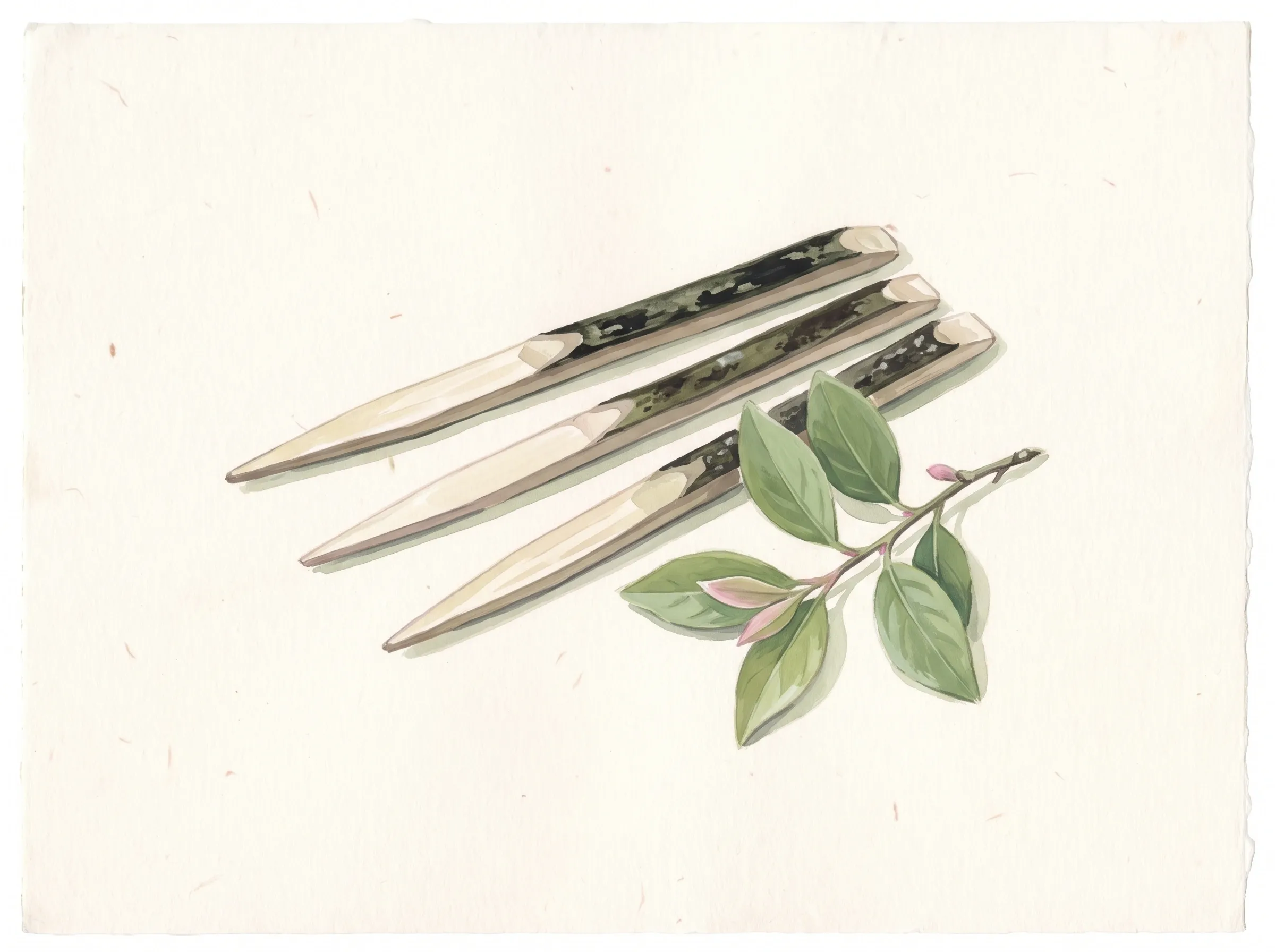
黒文字・くろもじ
Kuromoji
A fragrant wooden pick for eating wagashi.
-
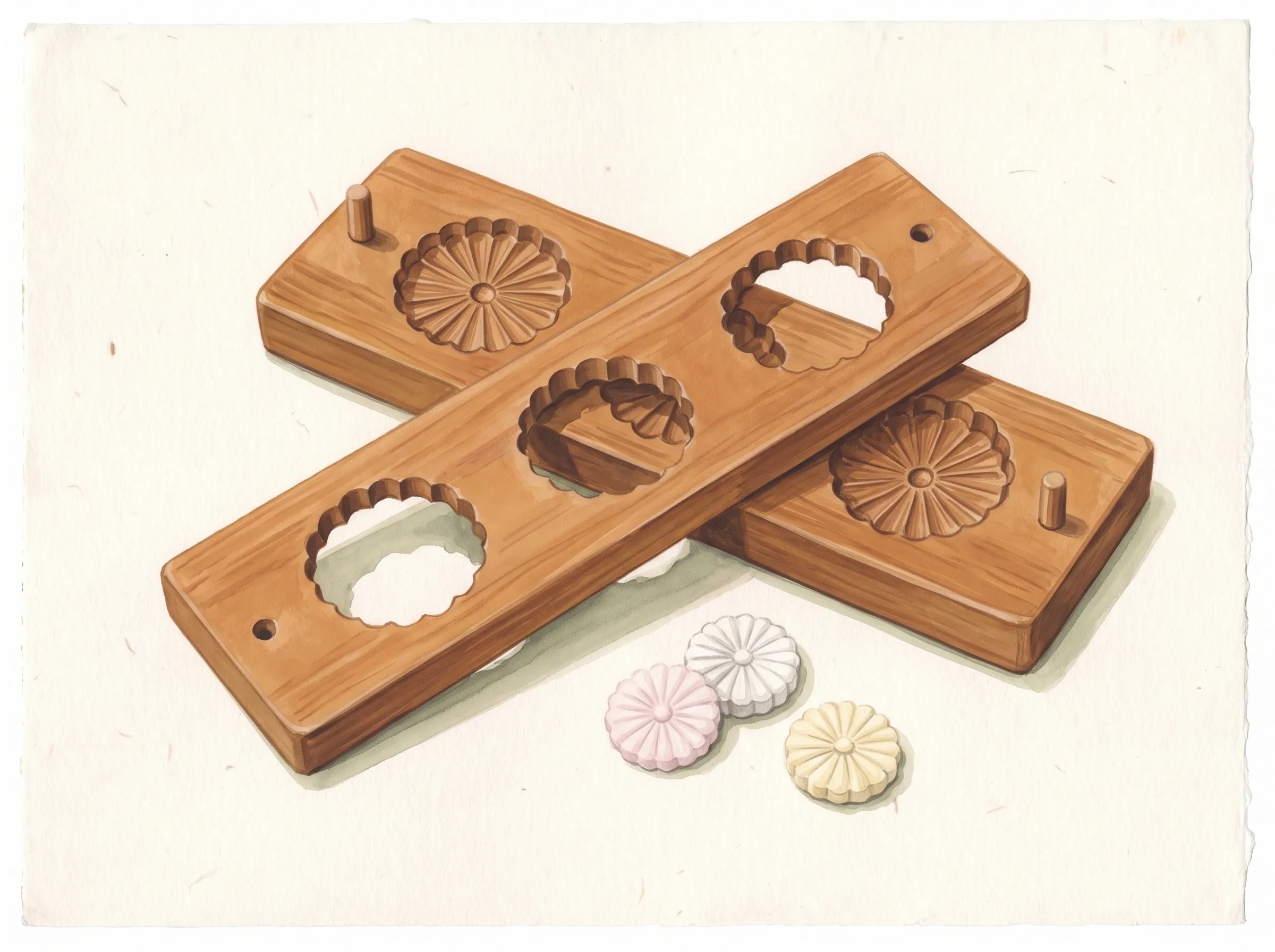
木型・きがた
Kigata wooden molds
Hand-carved molds for pressing dry sweets and shaping fresh ones.
-
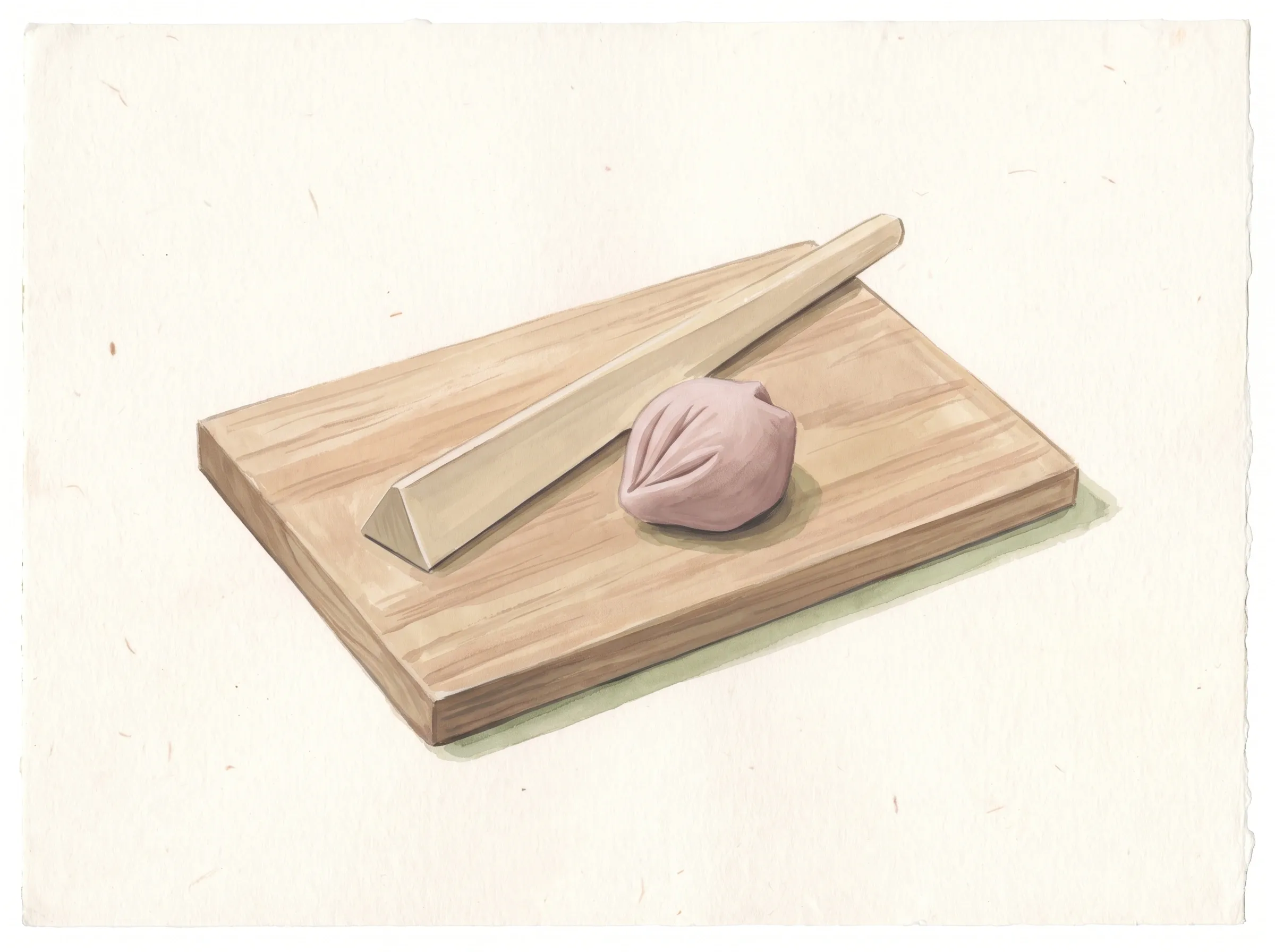
三角べら・さんかくべら
Sankaku-bera triangular spatula
A three-sided wooden spatula for marking petal lines on nerikiri.
A–Z Index
- 餡・あん An
- 大福・だいふく Daifuku
- 道明寺・どうみょうじ Domyoji
- 求肥・ぎゅうひ Gyuhi
- 上生菓子・じょうなまがし Jo-namagashi
- 薯蕷饅頭・じょうよまんじゅう Joyo manju
- 菓銘・かめい Kamei
- 木型・きがた Kigata
- きんとん Kinton
- こなし Konashi
- 黒文字・くろもじ Kuromoji
- 練り切り・ねりきり Nerikiri
- 主菓子と干菓子・おもがしとひがし Omogashi & Higashi
- 落雁・らくがん Rakugan
- 三角べら・さんかくべら Sankaku-bera
- 白小豆・しろあずき Shiro-azuki
- 外郎・ういろう Uiro
- わらび餅・わらびもち Warabimochi
- 和三盆・わさんぼん Wasanbon
- 羊羹・錦玉羹・ようかん・きんぎょくかん Yokan & Kingyokukan
After the words,
try it with your own hands.
Kyoto Wagashi ISSHO offers hands-on wagashi-making classes in Kyoto, in small groups or as private lessons, for all skill levels.