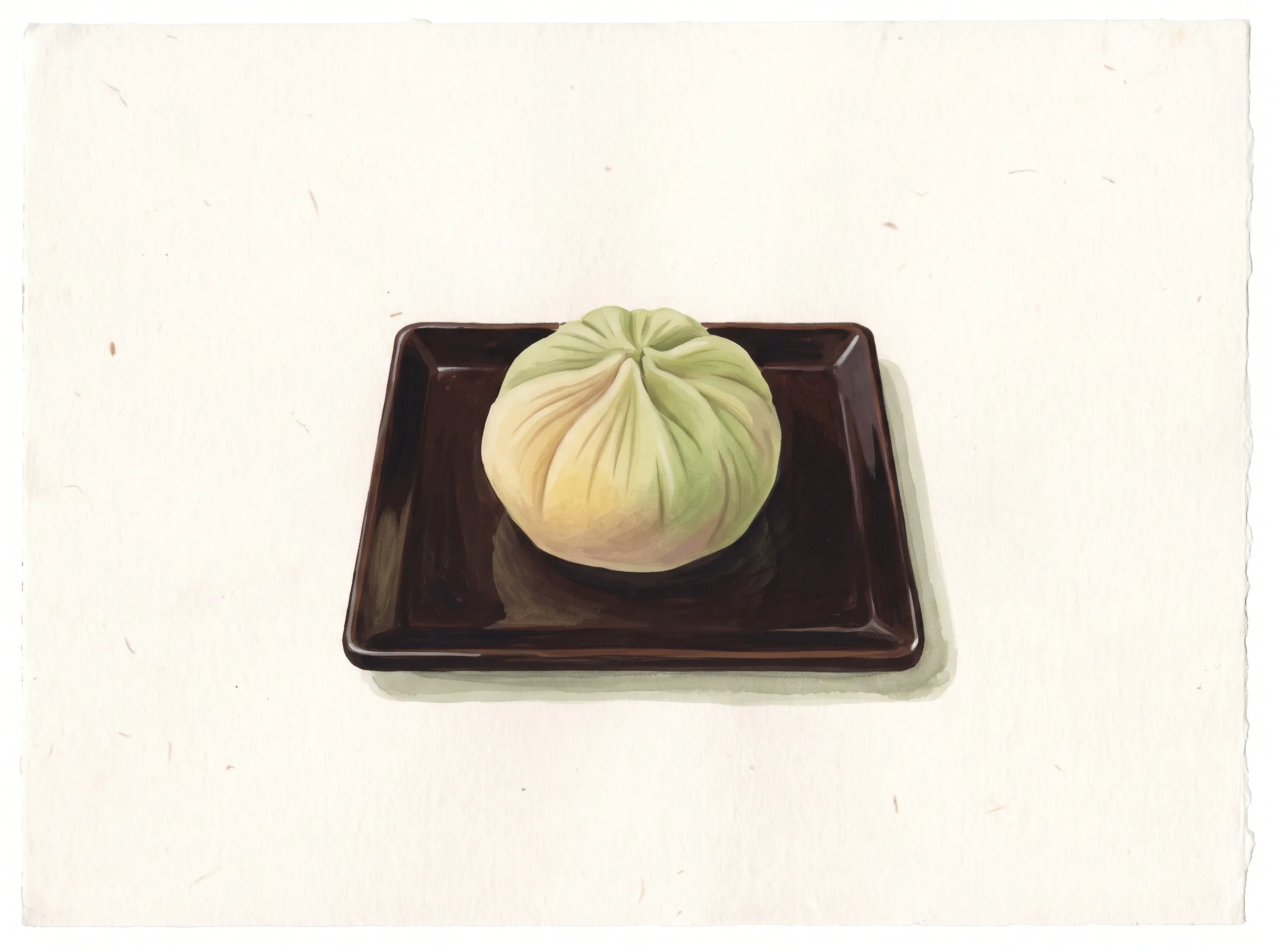
こなし
Konashi
Kyoto's dough for jo-namagashi, made by steaming white bean paste with flour and kneading it thoroughly.
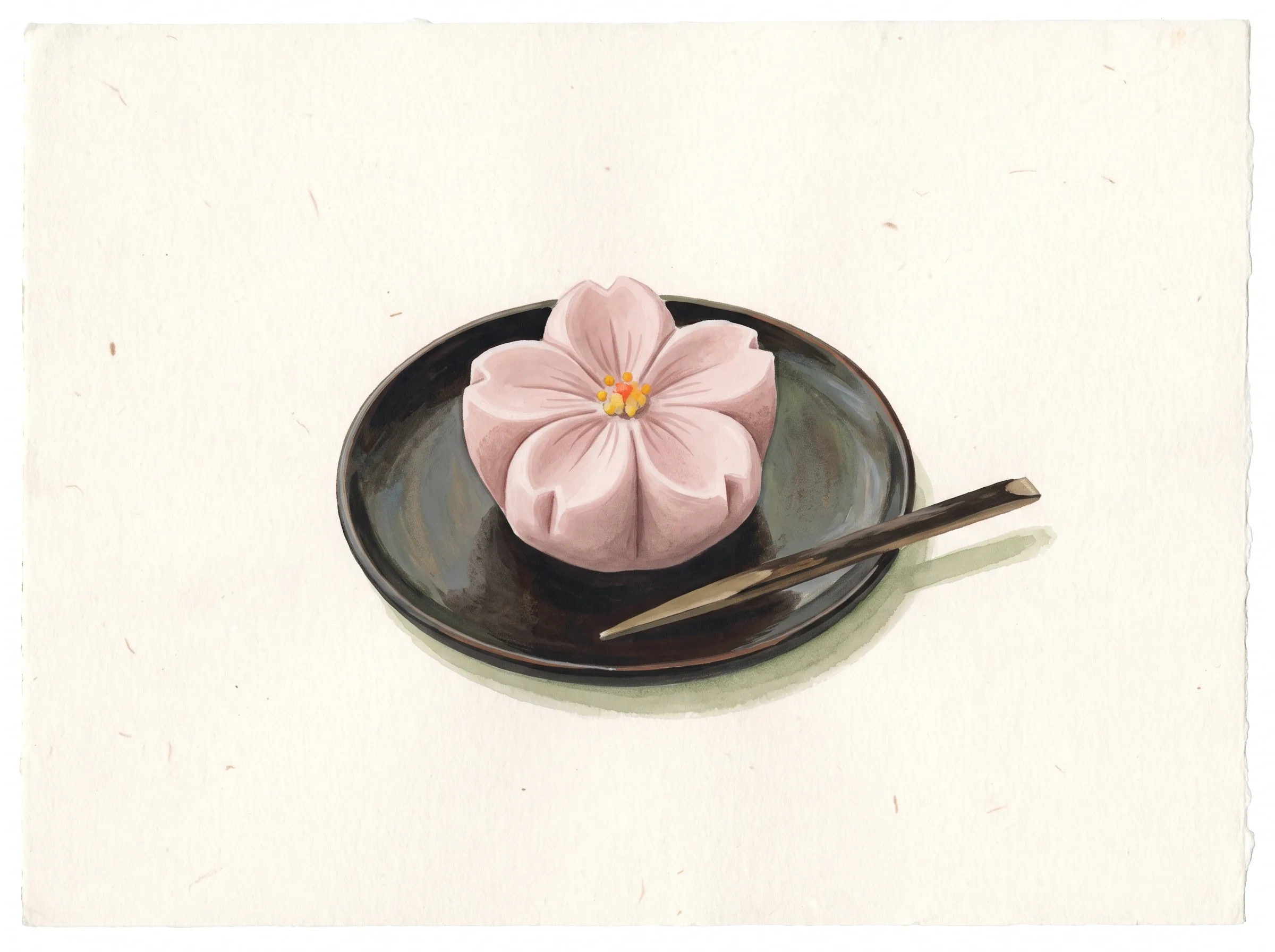
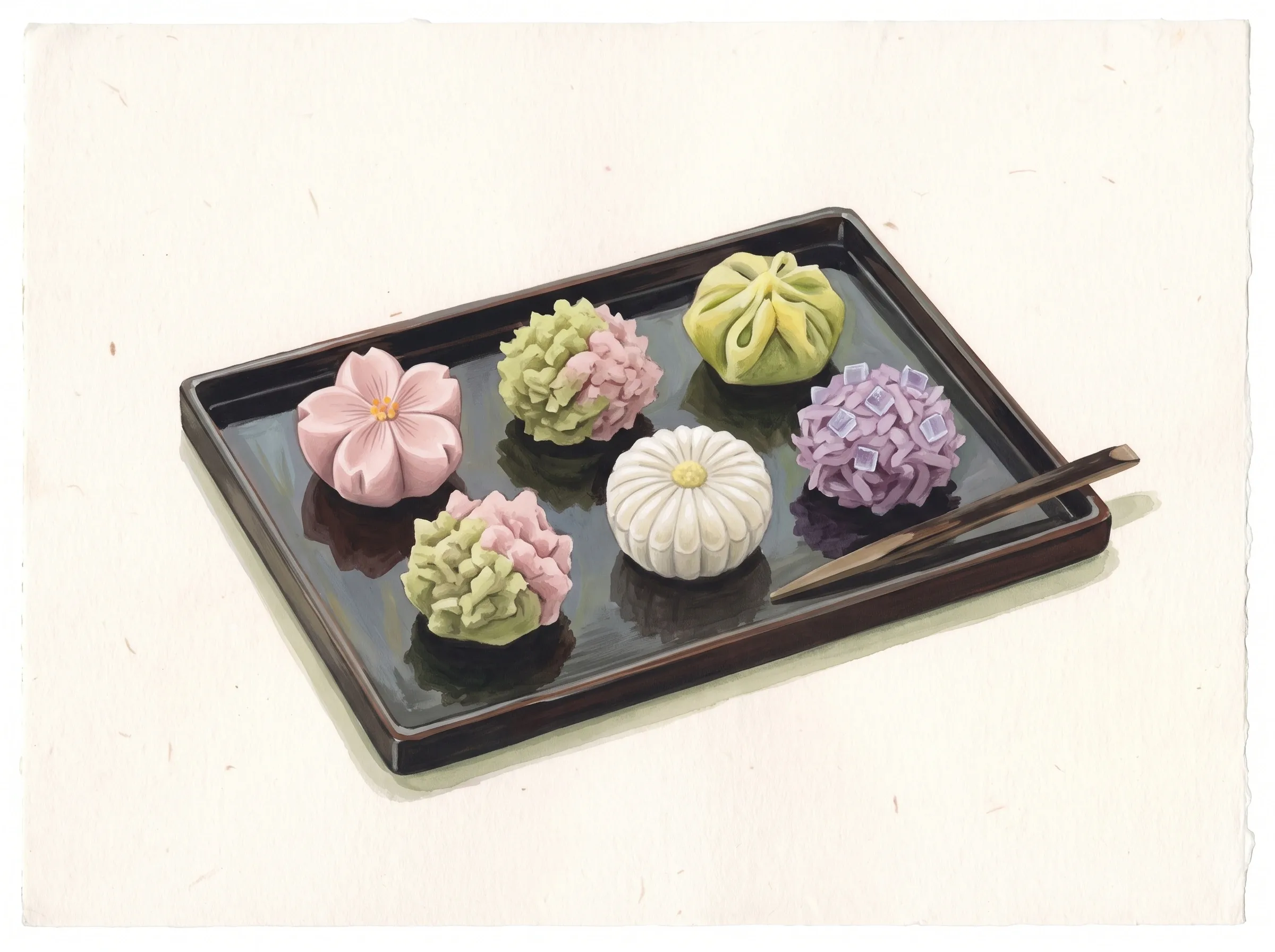
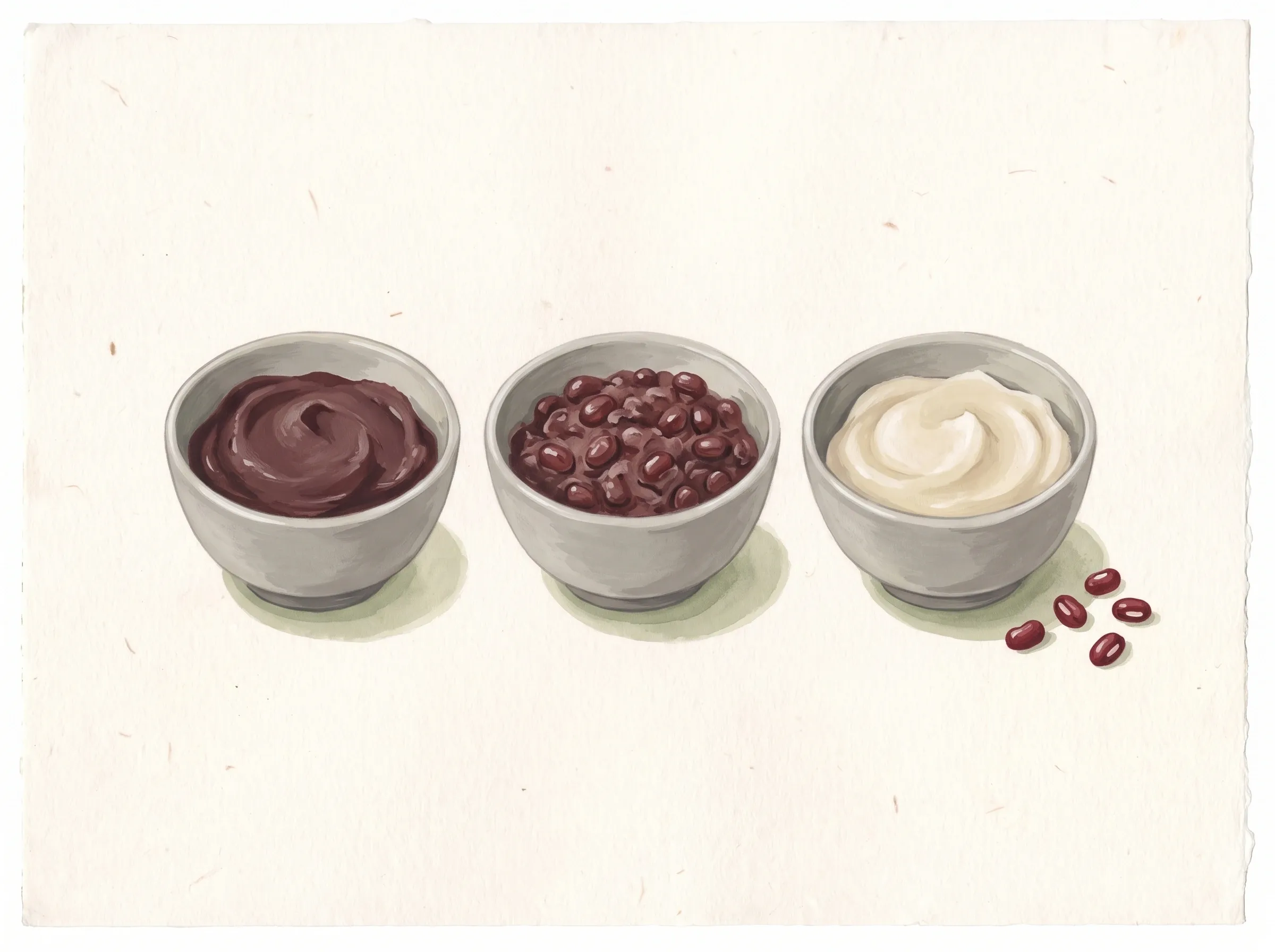
Konashi is a dough made by mixing flour, such as wheat flour, into smooth white bean paste, steaming it, and then kneading it well while adding sugar syrup. The name is said to come from this step of kneading thoroughly (momi-konasu). In Kyoto, konashi rather than nerikiri is the mainstream dough for jo-namagashi.
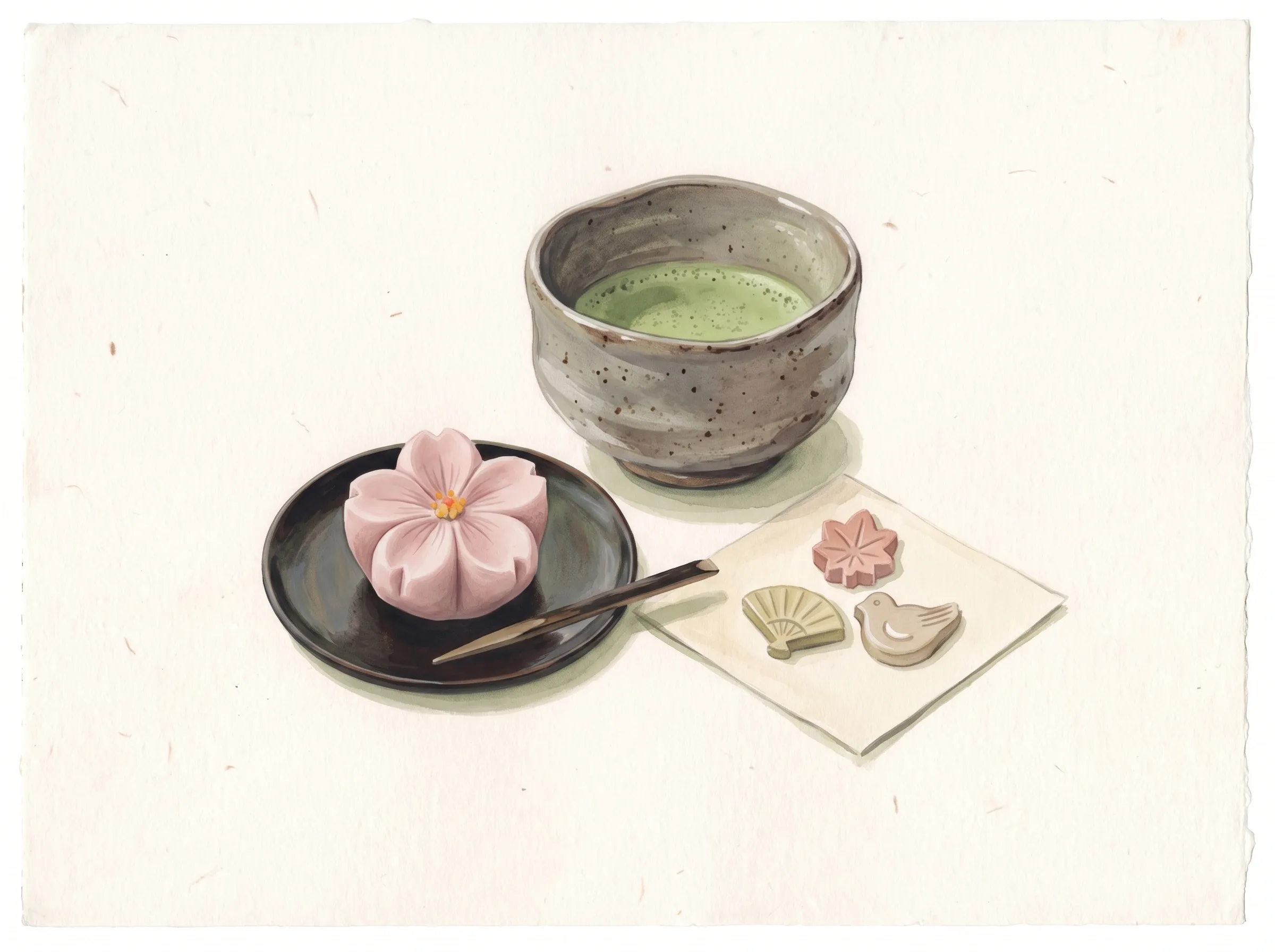
Compared with nerikiri it is slightly springy, with a pleasantly chewy yet clean bite. The texture also changes with the amount of wheat flour, and each shop has its own approach. Because it cuts crisply, it is said to be ideal as a sweet for the tea ceremony. Its sweetness is light, bringing out the flavor of matcha. It is often used for sweets shaped by wringing in a cloth (chakin-shibori) and for neat, precise designs made with molds.
Because it looks so much like nerikiri, the two are hard to tell apart. The difference lies in the firmness you feel when you touch it and the bite when you put it in your mouth.